Why You're Craving Sugar Even When You're Not Hungry
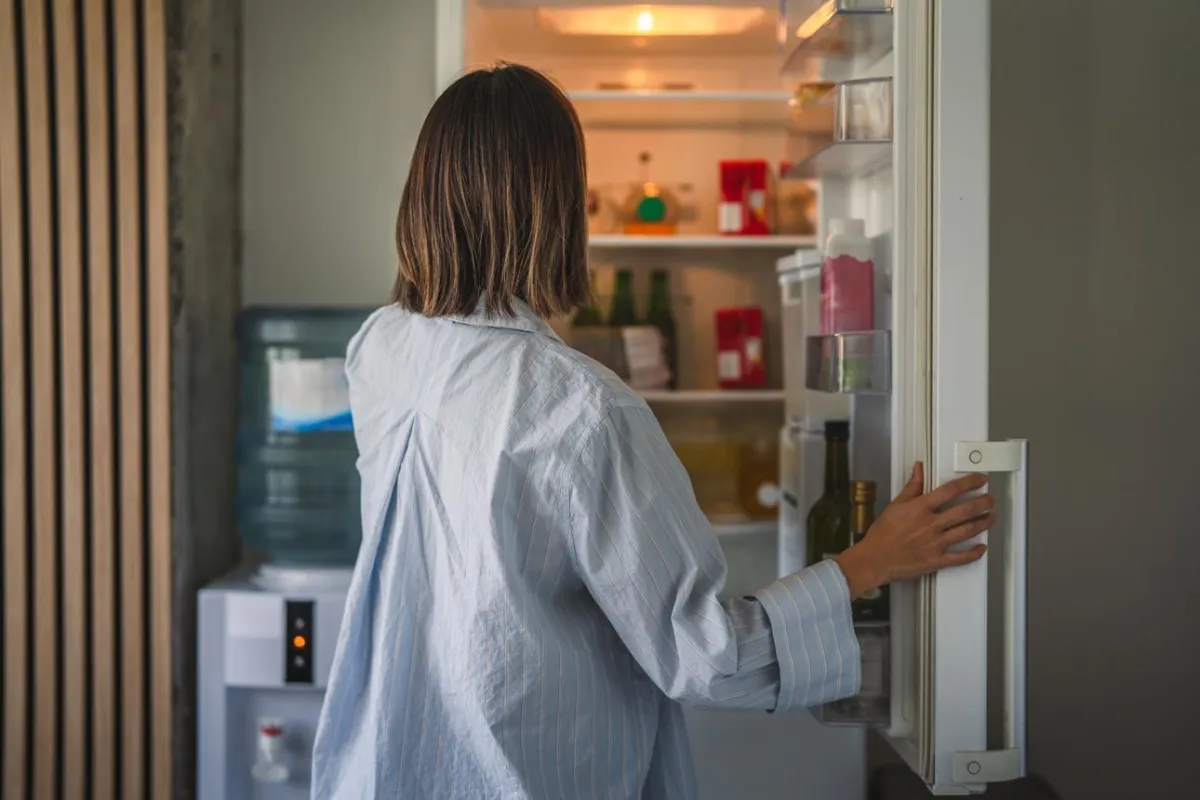
Have you ever finished dinner, cleaned up the kitchen, and genuinely felt full...
Only to find yourself standing in front of the pantry twenty minutes later looking for something sweet?
Maybe it's chocolate.
Maybe it's ice cream.
Maybe it's the cookies you specifically told yourself you weren't going to eat tonight.
And then comes the frustrating part:
"Why am I doing this? I'm not even hungry."
A lot of women assume cravings are simply a matter of willpower. They think they need more discipline, more motivation, or more self-control.
But what if cravings aren't actually a character flaw?
What if they're a clue?
One of the biggest mindset shifts I see happens when women realize that cravings often have much less to do with hunger and much more to do with what's happening behind the scenes in the body.
Hunger and Cravings Are Not the Same Thing
Let's start with an important distinction.
Hunger is your body's request for fuel.
Cravings are a desire for a specific food.
When you're truly hungry, many foods sound appealing.
When you're craving something, it's usually very specific.
You aren't standing in the kitchen dreaming about grilled chicken and broccoli.
You're thinking about chocolate.
Or cookies.
Or chips.
Or whatever comfort food seems to have your name on it.
That's because cravings often involve more than calories. They can be influenced by blood sugar patterns, stress, sleep quality, emotions, habits, and even the brain's reward system.
Understanding the difference is the first step toward understanding what your body may actually be trying to tell you.
Blood Sugar Swings Can Drive Cravings
One of the most common reasons for sugar cravings is unstable blood sugar.
When blood sugar rises quickly and then drops, your brain notices.
Fast.
Your brain's primary fuel source is glucose. When glucose availability begins to decline, your body often responds by encouraging you to seek quick energy.
Unfortunately, the foods that provide quick energy are usually the exact foods many women find themselves craving.
This can look like:
Needing something sweet after lunch
An afternoon energy crash around 2–4 PM
Feeling "hangry" if meals are delayed
Craving dessert after dinner even when you're physically full
The frustrating part is that many women interpret this as a lack of willpower.
In reality, there may be physiology driving the behavior.
Lack of Sleep Changes What Your Brain Wants
Have you ever noticed that after a poor night's sleep, suddenly every carb in sight looks amazing?
That's not your imagination.
Research shows that inadequate sleep can influence hormones involved in appetite regulation and increase the desire for highly palatable foods. Sleep deprivation may also reduce insulin sensitivity and make blood sugar regulation more challenging.¹
In practical terms, poor sleep often creates the perfect setup for stronger cravings the next day.
You feel tired.
Your brain wants quick energy.
Your decision-making capacity isn't operating at full strength.
And suddenly the office donuts seem significantly more persuasive than they did yesterday.
Stress Can Turn Up the Volume on Cravings
Stress and cravings have a complicated relationship.
When stress levels rise, your body releases hormones that help you respond to perceived threats.
The problem is that your body doesn't necessarily distinguish between running from danger and trying to manage work deadlines, family responsibilities, financial concerns, or chronic overwhelm.
Many women describe stress-related cravings as feeling almost automatic.
They aren't physically hungry.
They're looking for relief.
Food—especially sweet, salty, or highly processed foods—can temporarily activate reward pathways in the brain and provide a short-lived sense of comfort.
The craving isn't always for sugar.
Sometimes it's for a break.
Sometimes it's for comfort.
Sometimes it's for a moment of relief during a difficult day.
Your Body May Be Looking for Energy, Not Sugar
Another possibility is that your body simply isn't getting what it needs consistently throughout the day.
Skipping meals.
Eating very little protein.
Relying heavily on quick carbohydrates.
Trying to "be good" all day.
These patterns often backfire.
When your body feels under-fueled, it becomes increasingly motivated to seek energy.
And because sugar provides quick energy, cravings often become louder.
This is one reason why many women are surprised to find that increasing protein, eating balanced meals, and building more muscle can actually reduce cravings over time.
Sometimes the answer isn't more restriction.
Sometimes it's better nourishment.
The Real Question Isn't "How Do I Stop Craving Sugar?"
The more helpful question is:
"Why am I craving sugar in the first place?"
Cravings aren't always a problem to fight.
Sometimes they're information.
They're signals.
They're clues.
When we become curious about the pattern instead of judging ourselves for it, we often uncover valuable insights about blood sugar regulation, sleep quality, stress levels, nutrition habits, or other underlying factors affecting metabolic health.
Understanding the pattern doesn't eliminate cravings overnight.
But it does give you a starting point for addressing the cause instead of constantly battling the symptom.
Understanding First. Decisions Later.
If you've been frustrated by cravings that seem to come out of nowhere, it may be worth looking at the bigger picture.
Blood sugar patterns, sleep quality, stress levels, nutrition habits, and other health signals often provide valuable clues about what your body is trying to communicate.
The goal isn't perfection.
The goal is understanding.
Because when you understand the pattern, you can start making decisions based on information instead of frustration.
If you're ready to connect the dots between your symptoms, habits, and health data, I'd love to help.
Schedule a Starting Point Consult here
Not quite ready yet? Subscribe to the Vita Sana blog for practical, evidence-informed insights that help you better understand your body and your health.
Follow on Facebook and Instagram for more honest Real-Life tips and support 💜
References
Chaput JP, Dutil C. Lack of sleep as a contributor to obesity in adolescents: impacts on eating and activity behaviors.International Journal of Behavioral Nutrition and Physical Activity.2016;13(1):103.
Hall KD, Guo J. Obesity energetics: body weight regulation and the effects of diet composition.Gastroenterology.2017;152(7):1718-1727.
Ludwig DS, Ebbeling CB. The carbohydrate-insulin model of obesity: beyond calories in, calories out.JAMA Internal Medicine.2018;178(8):1098-1103.
