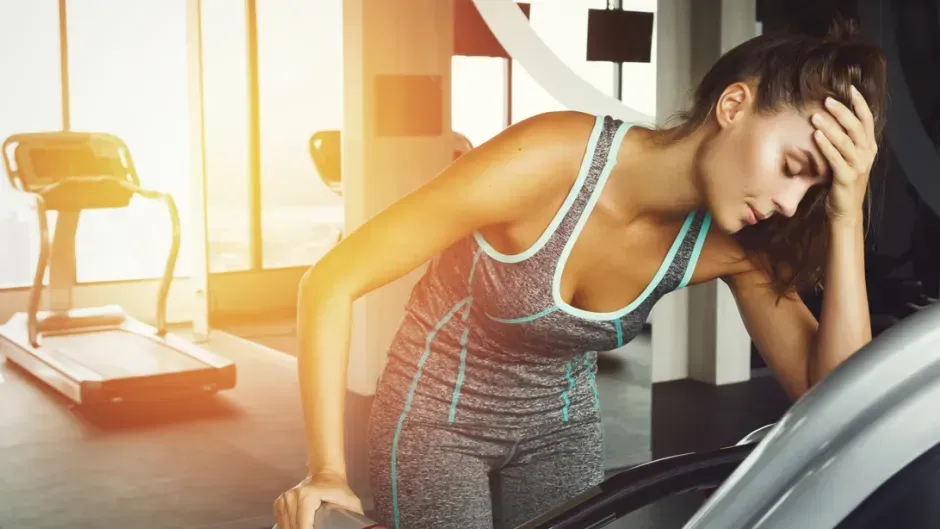
Can We Talk About How Annoying This Is? The Healthy Habits That Used To Work… Don’t
Can We Agree This Is Incredibly Annoying?
There was a time when I could get away with a lot more than I can now.
A few nights of poor sleep? Not ideal, but manageable.
A stressful week? I’d bounce back quickly.
Skip a workout? No big deal.
Somewhere along the way, however, my body quietly changed the rules—and forgot to send me a memo.
Maybe you’ve noticed something similar.
You eat reasonably well. You try to stay active. You’re making healthier choices than many people around you. Yet somehow:
The scale seems less doesn’t move.
Your energy is non-existent.
Sugar cravings show up out of nowhere.
Recovery takes way longer.
Stress hits harder.
The things that worked ten years ago don’t seem to work anymore.
And if you’re being honest, part of you may wonder:
“Am I doing something wrong?”
The good news is that you’re probably not.
In many cases, the issue isn’t that your healthy habits stopped working.
It’s that your body now needs a different kind of support than it did before.
The Problem Isn’t Usually Your Healthy Habits
Let’s be clear: healthy habits still matter.
Eating vegetables still matters.
Walking still matters.
Strength training still matters.
Hydration still matters.
Sleep still matters.
The problem isn’t that these habits suddenly became useless.
The problem is that many of us assume the same habits should continue producing the same results forever—even as our bodies, lifestyles, stress levels, and physiology change.
Imagine trying to navigate a road trip using a map from ten years ago. The destination may be the same, but some of the roads have changed.
Your body works similarly.
The strategies that served you well in your twenties or thirties may need adjustment in your forties, fifties, and beyond.
What Changes As We Get Older?
While everyone’s experience is unique, several common shifts can influence how our bodies respond to healthy habits.
Muscle Mass Gradually Declines
Beginning in our thirties, we naturally start losing muscle mass unless we’re actively working to maintain it. Muscle plays an important role in metabolism, blood sugar regulation, strength, and overall resilience.
The result?
You may find that simply eating less or doing more cardio doesn’t create the same outcomes it once did.
Stress Has a Bigger Impact
Many women are balancing careers, caregiving responsibilities, aging parents, relationships, financial pressures, and countless daily demands.
Your body doesn’t separate emotional stress from physical stress.
Over time, chronic stress can influence sleep, cravings, recovery, appetite, energy levels, and blood sugar regulation.
Sleep Becomes More Important Than Ever
Sleep isn’t just rest.
It’s when your body performs much of its repair and recovery work.
One poor night of sleep may affect hunger hormones, food choices, energy levels, and glucose regulation the next day. Over time, those effects can add up.
Blood Sugar Regulation May Change
Many women are surprised to learn that blood sugar patterns can begin shifting years before a diagnosis such as prediabetes or type 2 diabetes occurs.
Sometimes the earliest clues look like:
Afternoon energy crashes
Increased cravings
Brain fog
Difficulty losing weight
Feeling “hangry”
Energy fluctuations throughout the day
These patterns often develop gradually, making them easy to dismiss as simply “getting older.”
Why More Effort Isn’t Always The Answer
When healthy habits stop producing the results we expect, many of us respond the same way:
We try harder.
We cut more calories.
We add more cardio.
We become stricter.
We push ourselves even further.
Unfortunately, more effort isn’t always the solution.
Sometimes the missing piece isn’t another diet, another supplement, or another workout plan.
Sometimes the missing piece is understanding what your body is actually trying to tell you.
Because if sleep is the problem, another workout may not solve it.
If blood sugar regulation is struggling, eating less may not solve it.
If chronic stress is driving symptoms, more discipline may not solve it.
The answer often starts with clarity.
A Better Question To Ask
Instead of asking:
“Why isn’t this working?”
Try asking:
“What has changed?”
That simple shift creates room for curiosity instead of self-criticism.
Your body isn’t trying to sabotage you.
It’s communicating.
The challenge is learning how to recognize the signals.
Symptoms, cravings, energy patterns, sleep disruptions, and even routine lab values can provide valuable clues about what’s happening beneath the surface.
When we understand those clues, we can make decisions that are more targeted, more effective, and often far less frustrating.
The Bottom Line
If you’ve found yourself wondering why the healthy habits that used to work don’t seem to move the needle anymore, you’re not alone.
Many women reach a point where doing more isn’t the answer.
Understanding more is.
The goal isn’t perfection.
The goal is learning what your body needs now—not what it needed ten years ago.
Ready to Connect the Dots?
If you’re feeling stuck, frustrated, or confused about why your body isn’t responding the way it used to, a deeper look may help uncover patterns you can’t see from the surface.
Through the Know Your Numbers process, we explore the connections between symptoms, lifestyle factors, lab results, and everyday health patterns so you can move forward with greater clarity and confidence.
Schedule your Starting Point Consult HERE.
No pressure. No commitment. Just a conversation about where you are, where you’d like to go, and what next steps might make sense for you.
Subscribe for Future Articles
Follow on Facebook and Instagram for more honest Real-Life tips and support
References
National Institute on Aging. (2025). What is sarcopenia? Retrieved from https://www.nia.nih.gov
American Diabetes Association. (2025). Standards of Care in Diabetes. Diabetes Care, 48(Suppl. 1).
Centers for Disease Control and Prevention. (2024). Diabetes Risk Factors and Prevention.
Chaput JP, Dutil C. (2016). Lack of sleep as a contributor to obesity in adolescents and adults. Current Obesity Reports, 5(2), 167–175.
American Psychological Association. (2024). Stress Effects on the Body.
